• IP, or Intellectual Property rights, determine who owns an idea and what others are allowed to do with it. What does that mean though?

    Well, let’s say for example you come up with the coolest idea for a video game ever conceived. There’s action heroes, explosions, bombs, guns, technology never seen before, and vampires. You tell me all about your game, and your main character, John Vampire, on his epic quest to blow things up. That’s very cool, I say, and I think it’d make a great game!

    You own that idea. If you want to make that game, you’re well within your right to. You could make that game, and then from its success make John Vampire 2: Back for blood.

    Putting it simply, this is your idea and your idea only. If I came along and made a game that was almost exactly the same (or worse, literally the same), and called it Jim Vampire, you would probably get very upset with me. Rightfully so! I’ve just stolen your idea, with the intent of passing it off as my own!

    That’s the basis of IP rights and copyright law. It’s an “intellectual property” because it’s a product of your own mind!

    How does that relate to games development? Well, it prevents companies from stealing assets from games, names for games, and even mechanics in games. Take for example the case of Pokémon: Brick Bronze. Brick Bronze was a game developed on Roblox, which if you’re not familiar with, is a platform/environment built entirely on user generated content and games. Brick Bronze was a fan made game, not associated with Nintendo or Game Freak, who were the original creators of the franchise. Eventually (and to many, tragically), the game was taken off the Roblox site for copyright and IP infringement. Nintendo was well within their rights to do this – the game was not made by them and was using a brand and namesake that belonged to them – and the game also offered in-game purchases which went to the creators of Brick Bronze, meaning they were profiting off an IP which did not belong to them.
    It was also important that Nintendo put their foot down and enforce against this infringement, because otherwise, it would set a bad example and allow others to do the same as the Brick Bronze creators.

    To be clear, I personally have no issue with fan-made games for franchises that people enjoy, if they respect the developers behind the original property and their wishes. Some developers are more welcoming of fan content than others, too! For example, SEGA generally doesn’t mind fan-made content for their Sonic the Hedgehog franchise, and turns a blind eye to it. This directly has lead to amazing fan games such as Sonic and the Fallen Star, or user made mods for games like Sonic Racing: Crossworlds.

    However, there’s a question some may ask around copyright and IP law: does it limit creativity?

    The answer is actually more nuanced than you may initially think!

    Generally speaking, no – copyright law does not limit what you can or cannot do when it comes to making games. Just because someone has made a tower defence game or a factory automation game before doesn’t mean you’re not allowed to make one of your own, or better yet, combine and remix those ideas into something brand new like Mindustry did (excellent game, by the way, give it a go if you think that’s something you’d enjoy!)

    PUBG had the idea of “loads of people skydive into a massive map, find guns, and only one team wins” before Fortnite took that concept and blew it further into mainstream, or before Apex Legends came around, or even Call of Duty: Warzone! And yet, each of these games, despite having a lot in common and clearly being inspired by one another, are still different and are allowed to co-exist.

    Where copyright laws in gaming get a bit murky, however, is where patents come into play.

    A rather infamous example comes from the 1998 SEGA game Crazy Taxi. When the game released, a patent was made which in layman’s terms, meant that no other games were allowed to have an arrow above the player pointing them where to go next. Thankfully, this patent has since expired.

    However, a patent which has not expired is the Nemesis system from Middle-earth: Shadow of Mordor, which will go unused until 2036 due to Warner Brothers closing the studio that made the game to begin with. So, until then, this patent means that no games are allowed to have recurring enemy characters who remember your past encounters and adapt to fight you.

    Thankfully, there is some pushback against these frankly ridiculous misuses of copyright law in the games world. Nintendo has been losing the battle against the game Palworld over trying to copyright and patent the idea of storing creatures who fight for you inside throwable balls.

    Overall, we can be thankful that these are very rare scenarios in the gaming world, and hope that one day the systems and laws around these edge cases can be refined more. Protecting your IP from misuse is always a sensible thing to have, and the world is better for having it. Besides, if there’s one thing I’ve learned – restrictions and limitations breed creativity!
  • Short answer, and sorry for the spoilers – but yes!!

    To those who may not be familiar with the terms, allow me to catch you up to speed. “What is this networking you speak of? Is it the internet?”

    Well, sometimes. Not really, though the internet may be a great tool to you for networking. What it actually is, is as follows:

    “Business networking is the act of maintaining positive relationships with clients and other professionals in your industry.” – indeed.com

    “That’s a load of jargon, I’m still lost” some of you may say. Well, let me put it in simple terms, with another quote:

    “It’s not about what you know, it’s about who you know” – (unknown origin)

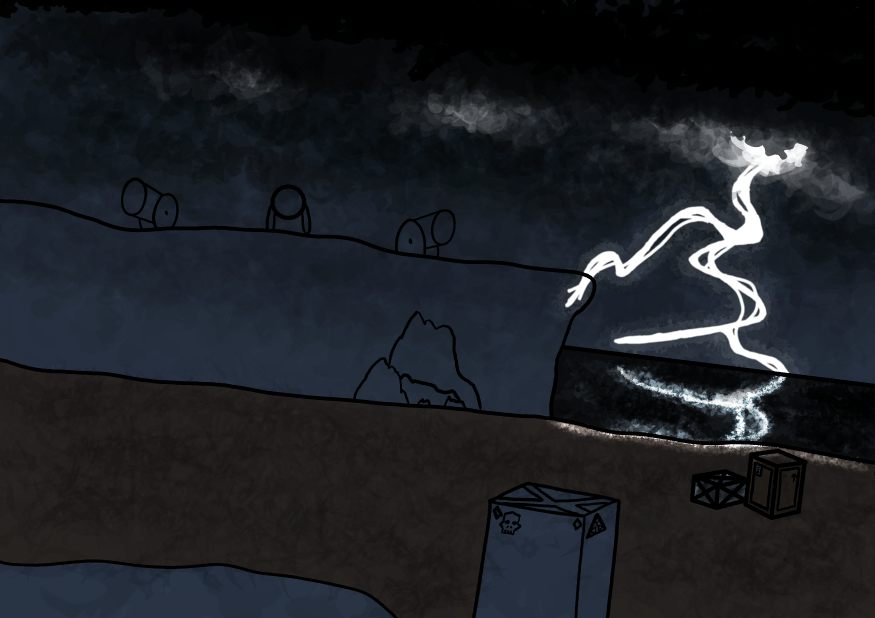
    Your relationships with other people in the industry is incredibly important for many reasons. For a start, you’ll be joining a field with many others of similar talent to your own. Some have been in the game longer than you, and some might just be really good at what they do, so it’s worth sharing a space and connection with them. There’s probably a good thing or two to learn from them! I have real experience with this in art. My dear friend Maya is an incredible and experienced artist, who has taught me many things about art. One of the thing she taught me was just how good using different digital brushes really was. I know that seems obvious, but sometimes you don’t think of these things or brush it aside until someone with experience tells you!

    Here’s an old unfinished sketch of mine that uses this advice to create storm clouds, and reflections on the water in the background. I will also note that the lightning effect came from advice I found from other experienced artists too!

    Not only could you potentially find interesting and useful advice from experienced veterans in the field, you might also find work! Getting attention and being noticed is a big part of networking, and when you get a name for yourself, some eyes landing on you might be looking to scoop up you and your talent for themselves. This, of course, is a good thing because you’re getting paid for it. Who doesn’t love getting paid to do what they’re not only good at, but also passionate about? Want to know more about making a name for yourself? Read more here!

    How do you get started with networking? Well, more importantly, you need to make an effort to get involved! Reach out to people, follow people on socials, meet people at events they may be hosting, even get involved in game jams! If you want to get really savvy with it, you could make your own business cards to hand out at any real life events you attend. That would make it much easier for the people you meet to get in contact with you after the event, because be honest: how often do you forget people’s names, let alone contact details? Of course, if you’re making business cards, you’re going to want to make those stand out too, to differentiate them from the many other business cards people may be getting at events like these.

    If it was me, I’d get active on LinkedIn, or maybe a platform Twitter (now X). Personally though, I think the best way to really get out there is to work with others and meet people in person. When you’re networking online, you probably want to show off your qualifications, portfolio, and other achievements for people who may be scrolling so that they can quickly get to learn who you are in the professional world. Having some of your prior work on you for networking at real life events is a good idea, but in social scenarios like that, people are less likely to want to have a big blurb of stuff thrown at them. Social skills here are crucial! Introduce yourself where appropriate, tell people a bit about what you’ve got to offer to try and lure interest, and above all – be kind and confident. Be the kind of person you would want to approach and have a conversation about games development (or whatever your discipline may be) with!

    And what if this is all a bit much? Fear not! You can start small by joining online communities and contributing to them. Ask for feedback on your work, show off what you have, and look at what others have made. Not only can you learn about technique, style, or tips from others, but you can also see whenever big trends in your spaces are happening. Staying on top of current events in your field is important, because it shows your commitment to your craft and shows that you strive to remain relevant in the space.

    So, there’s the long answer for you. Networking is important for a variety of reasons, and engaging in it can completely change the trajectory of your career for the better! And if you want to stay in touch with me, you can find me over on LinkedIn here!

  • What is a freelancer?

    According to dictionary.com, a freelancer is “of or relating to work conducted by a person who sells their services by the hour, day, job, etc., rather than working on a regular salary basis for one employer.”

    So, rather than being employed by a company, you work on your own. Companies might come to you and ask for your service, in which case you can get paid to do some work without committing yourself fully to them. You’re sometimes a subcontractor, maybe an indie developer, and you employ yourself.

    So, what kinds of skills might you need? For a games developer – a lot. Let’s cover just a few of those skills you might need:

    Firstly, good programming skills. It’s a good idea to be familiar with languages and engines commonly used for games development, for example C# and Unity. If you were to be an indie dev, Unity or Godot might be your preference. You’re probably also going to want to be good at fixing bugs, since you don’t want to get stuck in a loop trying to solve an issue and have it take days to fix.

    Secondly, you’ll want to be decent at actually designing games. Stuff like core gameplay loops, UI design, etc. Making a game is one thing, but making a good game is another! When you’re not working for a larger company, it’s just you out there, and you’re going to want to have a good reputation for making good, quality work.

    Thirdly, you’re gonna want to be good at communicating with people. Communication is very important, as you are working with people who are paying to hire your skills, and they’re going to want to make sure you’re doing things right and your work is coming along well. A very good communicator would engage in an extended dialogue with their client to make sure that there’s no room for error, and show their interest in the project. Once again, being good at communication will help build a good reputation, which will help with future work.

    In addition, you will need to have good timekeeping skills. Be reliable, be honest with your time estimates, and be especially careful and sure to meet deadlines. Being known for having bad time management skills is an easy way to tank your professional reputation, and lose whatever momentum you had.

    Would I become a freelancer, and if so, how would I go about doing it?

    Personally, it’s a very tough question. There’s many upsides and downsides to freelancing, and depending on your specialty or discipline area, it may be better for you or not. Working as a freelance artist I personally think would not be the right move for me. Art is a passion for me personally, and I feel that turning it into a job would burn me out and strip away what makes it so special for me. In addition to that, I take my time with art, and I’m rather slow with it – something that a potential client would not be interested in unless they really had the time to spare.

    As for the perspective as a game designer, the amount of freelance game designers has shot up in the UK according to gamesindustry.biz, which at first may seem exciting or even promising. But once you realise that this spike has occurred due to mass layoffs and shutdowns in the UK games industry, the picture changes. Freelance games designers aren’t more common because of an increase in demand – rather, there’s more freelancers in this field because people have lost their jobs in AAA and are looking for any source of work they can in the meantime. Extra competition especially doesn’t help, as it makes the market far more competitive. Unless you really stand out, you’re going to have a harder time finding a client who would choose you over someone with experience in AAA

    That’s why it’s very important to share your work and show off what you’re capable of. I would primarily showcase my work on places like Reddit, Itch.io, or LinkedIn, posting the work I was most proud of and doing so frequently. I shared more about how you might do this in this blog here, so if you want to know more, go read that! (After you’re done here, of course. We’re not done quite yet!)

    What about starting my own business as an indie developer? Now, that’s a more interesting question. Personally, this is my end goal, the thing I want to do the most with my studies in games development. It’s always been my dream to not just make someone else’s game, but to make my game. Nobody to tell me what to do, I take the reigns and have the freedom to make only the best games I’m capable of creating. Making a business may be hard, but if you’re dedicated, it’ll be worth every step. You just need to believe in what you do, and make it work.

  • At first, the idea of professionalism in the creative space may sound scary. Am I expected to put on a boring, corporate persona while working in one of the most fun and expressive industries out there? Well, let’s start by looking at what “professionalism” means in this context, and get ourselves oriented. A quick search brings me to this page here, which I quite like for the way it explains it. To quote from that page in question:

    “It’s also about meeting deadlines, respecting client relationships, and maintaining a reliable network.”

    So, what does that really mean in simple terms? And why does it even matter?

    Meeting deadlines is a fairly obvious one. If you and whoever you work for agreed that you were able to do something in a given amount of time, and then the time comes around and you say “Hey, boss! Sorry I meant to tell you this two weeks ago, but I’ve actually not got anything ready or finished yet”, it’s not really a great look. Being a professional is holding up to the commitments you make to people. Equally, part of being a professional is your honesty and knowledge of your capabilities. If your boss wants a hand-drawn 30 minute movie animated at 60fps by next Thursday, being a professional would be telling him (kindly) that you’re probably not going to be able to do that, and offering viable alternatives or compromises.

    Respecting client relationships boils down to “treat people kindly if they’re working with you”. There’s a few ways of doing this, for example, meeting those deadlines like we just covered. This could also be giving updates on progress, and making sure the client is involved with the process if they wish to be. Good manners also go a very long way, and are crucial for if you want to be serious about your job in not just the creative space, but any career. Be polite, be efficient, have a plan to work with everyone you meet.

    “Maintaining a reliable network” is a fancy way of saying “keep in touch with useful people”. That can be very helpful for a few reasons, for example: one of your contacts is in a situation where they need someone who has your skills and who can help. When they say “I know a guy” – you want to be that guy in question. It’s also useful for building your reputation and presence (and goes very well with this other blog I wrote, check it out here!) Lastly, it’s great to be around other people within your discipline, as you can learn a lot from others. Someone who is always looking to learn or improve at what they do best is a real professional.

    Being a professional goes further than that. For example, being able to talk to people clearly and get people to understand you. Someone who’s good at this will have everyone on the same page, which means that no time is wasted asking for clarifications all the time. Don’t add fluff, just get straight to the point!

    Most importantly… just be nice. You don’t need to be everyone’s friend, but never go out of your way to annoy someone, or talk behind their back. If it’s not helping your work or building your team in any way, then it’s best to avoid it completely. It comes across incredibly unprofessional and even immature, and in a worst case scenario could lead to disciplinary action from your employer, which is bad news for everybody.

    I wouldn’t say that I personally fit squarely into one hole when it comes to a discipline area in wider games development, however when it comes to sharing professional codes of conduct, I’ll look through the lens of an artist. What’s expected of one? Well, let’s take a look at the Association of Illustrators for some examples. It would be expected that you wouldn’t deliberately copy someone else’s work or style, which would devalue both their work and yours. You should meet deadlines, like we discussed earlier. Lastly, in the case of being a freelance artist, you shouldn’t charge extra for faults that entirely your own, only charging for if the client wanted extra work done.

    So, overall, does being professional mean being boring? Not at all! All that being a professional is in the creative industry is being respectful, and excellent at what you do best. By keeping the professionalism, you help to keep the good reputation of your industry, and help to ensure that all work goes as smooth as it can. Things have been done this way for generations for a reason! Upholding these values shows you’re a capable, ready worker, who knows exactly what they’re doing – someone willing to learn and become the best they can be, so they can deliver their best quality work.

  • Gaining a reputation online might seem daunting. Given that the internet has millions upon millions of users generating traffic every day (human or not), it may seem like everything you do is a scream into the void. In many ways, that is correct, however that does not mean that you can’t change your tune to something that somebody might want to listen out for.

    So, what might you want to do in order to change your tune? Well I don’t do singing lessons, so it’s a good thing I’m being metaphorical. If you wanted to get yourself known, there’s a few things you can do which are actually fairly simple despite sounding quite daunting at first. It might take a bit of time and commitment, but being serious about this sort of thing leads to that usually not being a problem to begin with.

    One of the first ways to get out there is just to, well, get out there. Nobody is going to see you if you don’t try, so the best way to get the ball rolling is simply to share your work and the things you’re proud of. Show off your work in progress bits and pieces! Where you share your work may depend on your discipline or preference, of course. For me, as an artist, I used to share my works on X (formerly Twitter) back when I still liked the platform. Nowadays, bsky fills a similar role for me personally. It’s my preference since it’s a platform with a high number of users, who may be searching for art using tags. Other platforms for artists may include things like ArtStation, DeviantArt, or even Instagram.

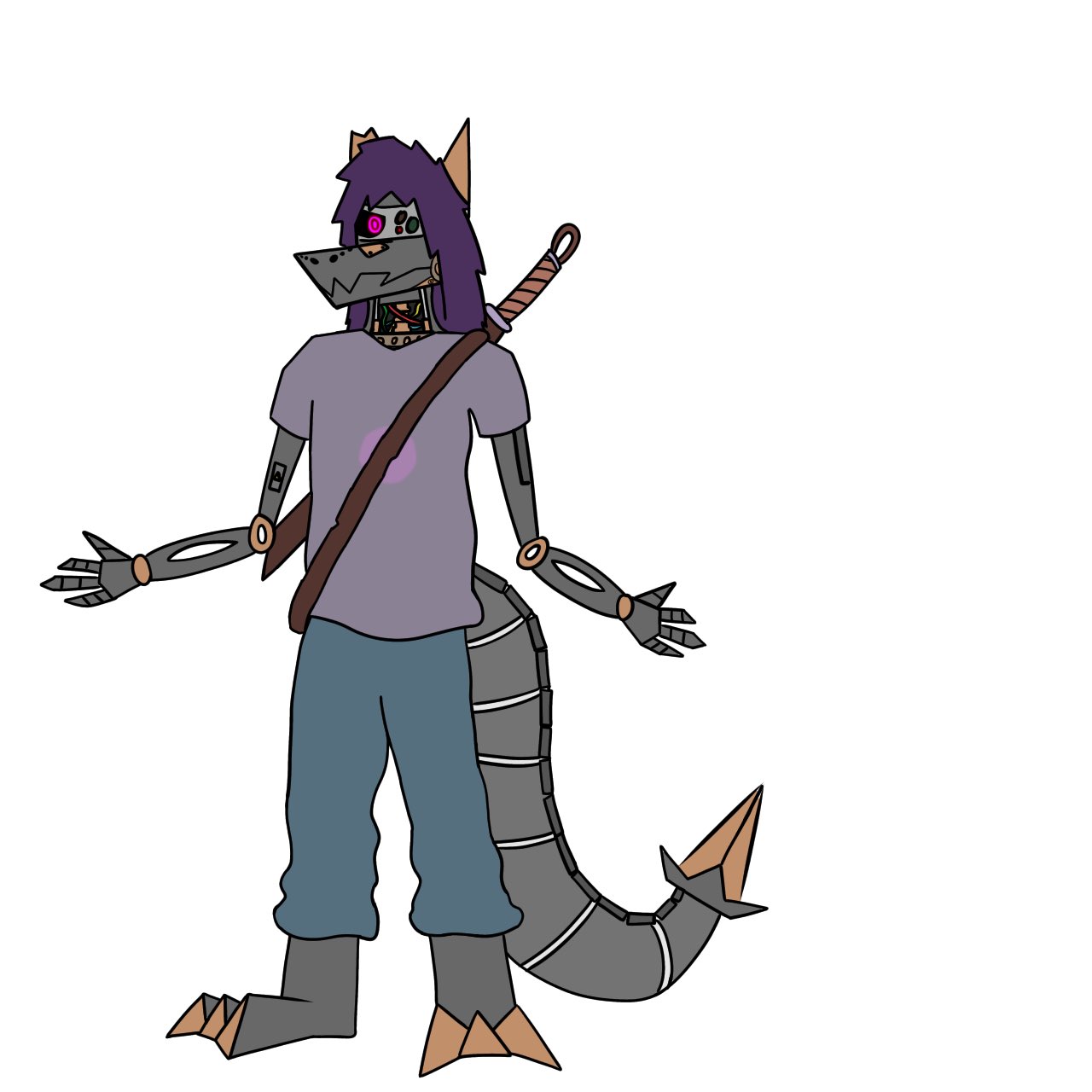
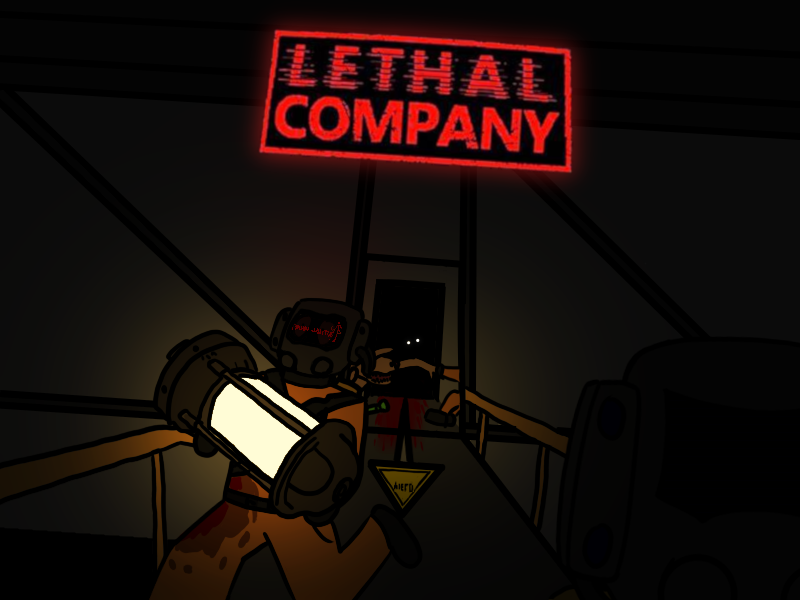
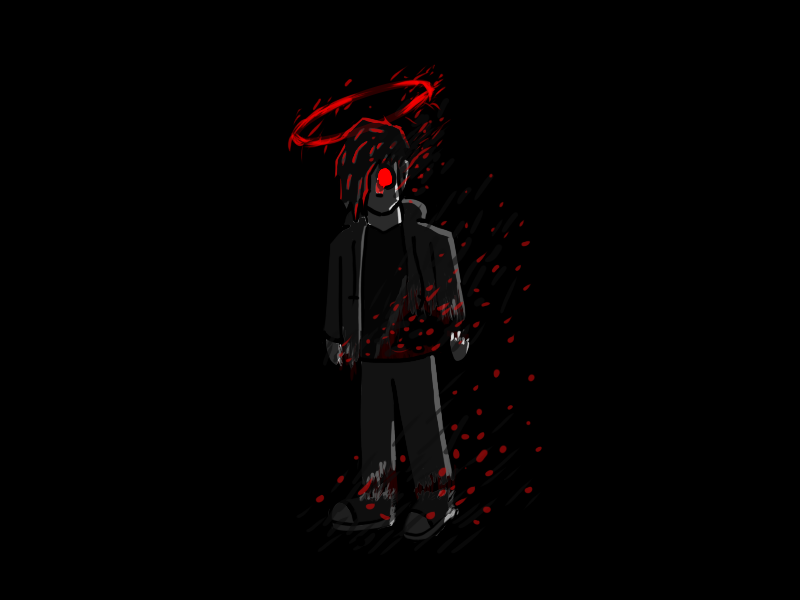
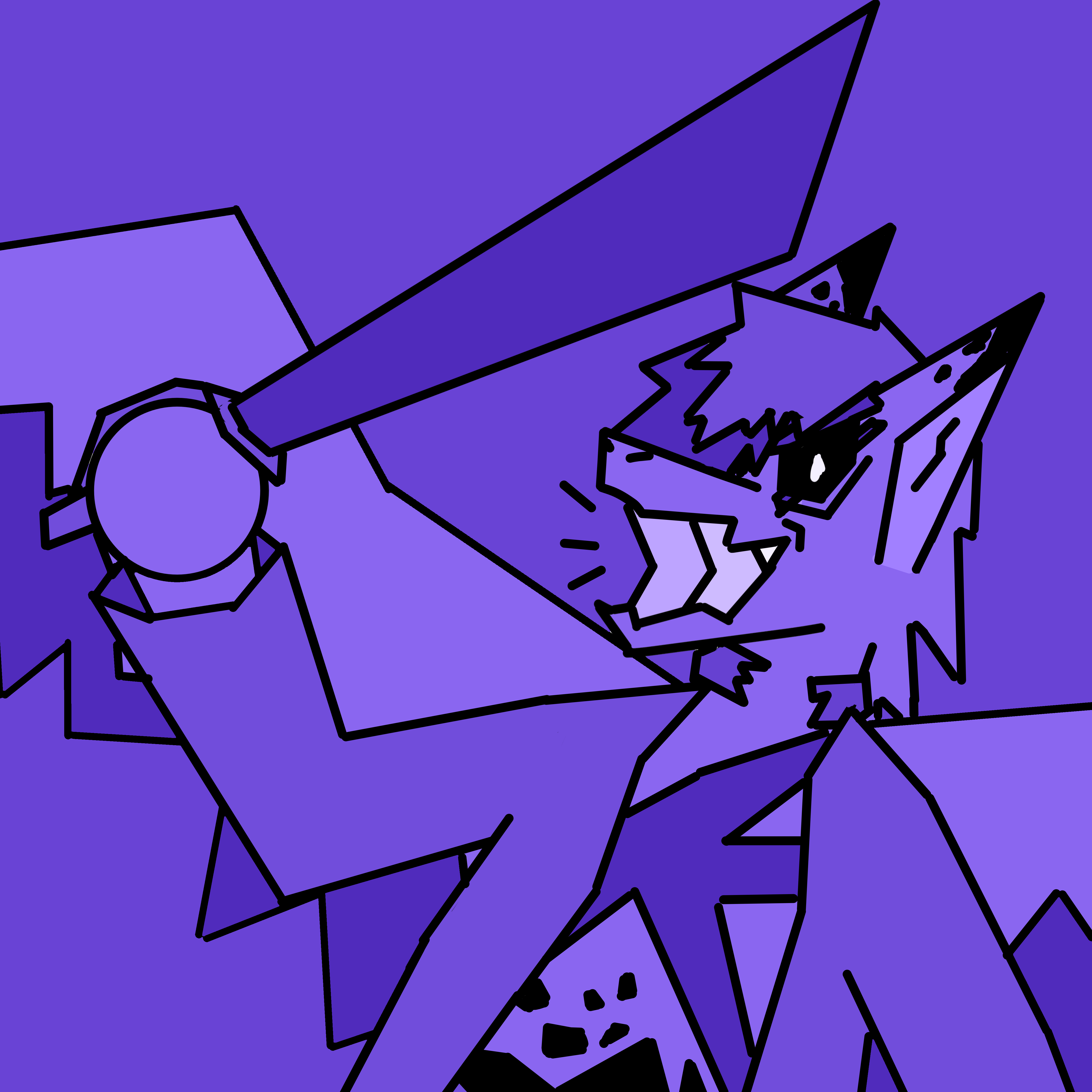
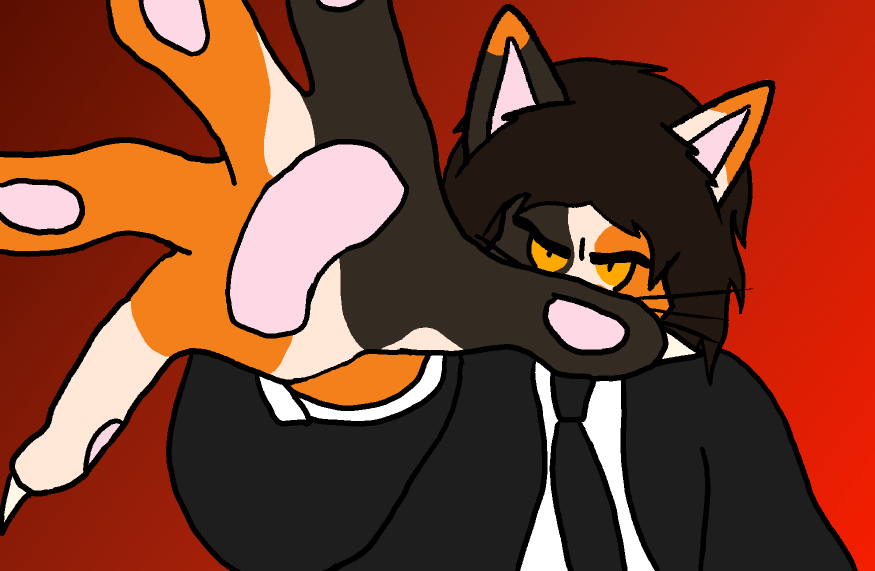
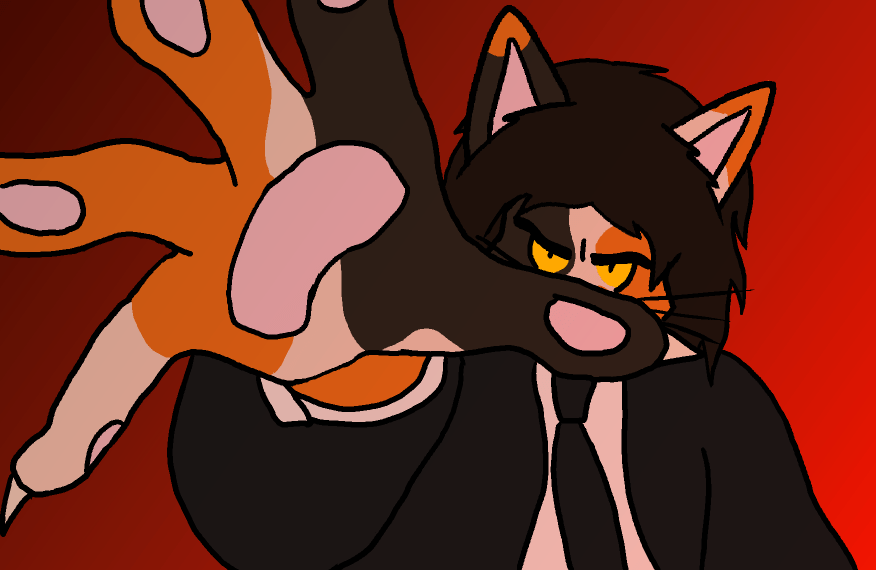
    Shameless plug, go check me out at https://bsky.app/profile/masongoddamnwright.bsky.social – I’ll be posting my older works from Twitter soon! In the meantime, while I do that, enjoy these works of mine:

    When I start work on doing game design, my preferred method of sharing what I’ve made is YouTube. What makes it attractive as a platform is that it’s mainstream, very easy to use, and allows you to choose between unlisted videos and public ones. It means that I can save my proper game showcases for public videos where I can show them off in a nice attractive way, but if I just need to share a random clip I might have, I can toss a link to that unlisted video of mine I want to show, but the world isn’t quite ready for yet. Want an example? Here’s a trailer I made for a game that doesn’t exist (yet), shared easily with YouTube: https://youtu.be/UrDb4lIR2J4

    Now that we’ve got some posts ready to fire online, we should be ready to go, right?

    Well, that depends. Who is your target audience when you’re posting these?

    If you’re wanting to get really serious about the industry of your choice, you might want to cater towards what an employer be interested in seeing. What does that include, you may ask?

    Put yourself in their shoes for a second – what would be great to have if I really wanted to hire an artist right now? Things like contact details, and lots of them, is a great place to start. Of course, ensuring that you actually check those inboxes. They likely will want to see quite a few examples of your work, to really get to feels with your style. An underrated thing to do – post your works in progress! In an age being slowly taken over by generative AI, being able to see how a work evolves over its creation is an undoubtedly human touch and can really help to sell your style too by showing it in this way. Here’s a breakdown of a relatively unserious doodle I did recently:

    Posting often is also a good way to get noticed, as many social platforms run off an algorithm that rewards frequent, consistent uploads. Lastly, don’t be afraid to be expressive! Every artist has their own quirks and subtleties to their works, and your own creative expression is the key to making yourself stand out compared to others in the space.

    So, what should you post, and what should you not? If you’re going for a space in the professional world, it’s best to share what you’ve done and what you’ve got on offer as often as you can. Make yourself active in the space! As for what to avoid – it’s probably best to avoid sensitive topics or giving yourself a reputation for the wrong reasons. After all, you can technically be famous for being the guy who broke into the Louvre and ate the Mona Lisa, but is that really what you want to be known for? Well, don’t answer that. Would your potential future employer want an employee who was known for devouring DaVinci’s finest works? Probably not, and you should keep that in mind. Show what you’re good at, show what you’re proud of, and get people talking about your talent.

    So, in summary, what should you be taking away from this? Let me make it simple:

    • Post often on social media
    • Show off your works in progress
    • Tag your posts if you can!
    • Keep your business side professional online
    • Creative expression is what makes you really stand out, so embrace it!